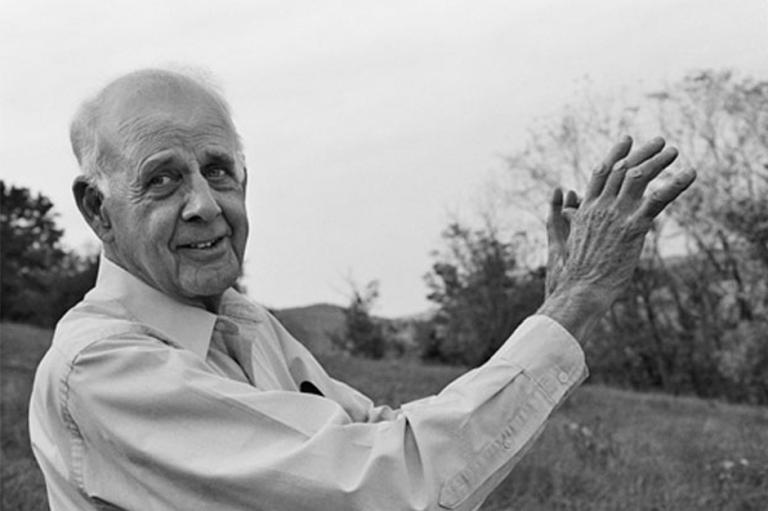
When I was a young (so very young!) bride-to-be, the women at my church threw me a bridal shower. Among the dishes, towels, and utensils I received from this coven of kind and knowing women was a gift that did not seem to fit--a slim, beige volume of poetry: Sabbaths by Wendell Berry, published in 1987 by North Point Press, San Francisco. The friend who gave the gift was undoubtedly making a little joke about what my name would be when I married Phil Berry. I confess that at the time I didn't appreciate this gift fully; we were poor college students, grateful for every spoon. I'd never heard of Wendell Berry. To be sure, I loved "literature," whatever that meant to me then, but my first glance through the book didn't grab me, and I had impending marriage on the brain, agitating and addling it.
This week I will celebrate my twentieth wedding anniversary. The towels have frayed, and the dishes broken, but two marriage gifts have remained with me: this little volume, and Phil himself. Time has polished and elevated them both in my estimation. Here's Athena the Cat with my original book.
Marriage and maturity both settle down with time, like the moldering leaves in Wendell Berry's Kentucky woods. Neither can stay in the flighty, angsty, hormone-crazed place in which they begin. They settle in time into a Sabbath peace. I needed to grow up into these poems, just as I have grown up into life with Phil. I never was an adult without him; perhaps we haven't become adults yet. Just tired adolescents with adolescents of our own.
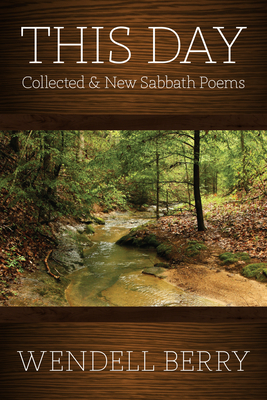
When I reach for Wendell Berry, it is usually on a Sunday, when I search, so often in vain, to infuse a bit of Sabbath rest into my sabbath. Mr. Berry the poet spent seven years embarking on a similar search. From 1979 to 1985, he spent Sabbaths in solitary reflection in the woods and fields near his home in Kentucky. From his meditations came this book of poetry. It's out of print now, replaced with an updated and expanded book called This Day: Collected and New Sabbath Poems (2014, Counterpoint). His Sabbath musings and writings have become a lifelong labor of love, and how lucky we are for it. I shall treat myself to the new edition as an anniversary present for me. (I could give it, ahem, to Phil, but he might as well buy a chainsaw for me. We are neither of us fooled by such tricks at this point.)
There are several poems I'd love to share here, but to preserve Mr. Wendell Berry's copyright, and to entice you to lay hands upon this collection if you can, I will content myself with a few teasing snippets. Oh, but they're a butchery; each piece demands its whole.
On Sabbath rest, from the end of poem II, 1979:
The mind that comes to rest is tended
In ways that it cannot intend:
Is borne, preserved, and comprehended
By what it cannot comprehend.
Your Sabbath, Lord, thus keeps us by
Your will, not ours. And it is fit
Our only choice should be to die
Into that rest, or out of it.
These two stanzas are all the sermon I will ever need.
Here's all of poem X of the same year, a poem that speaks as much to farm work as to the work of art, and to the work of building a life, a love, a family:
Whatever is foreseen in joy
Must be lived out from day to day.
Vision held open in the dark
By our ten thousand days of work.
Harvest will fill the barn; for that
The hand must ache, the face must sweat.
And yet no leaf or grain is filled
By work of ours; the field is tilled
And left to grace. That we may reap,
Great work is done while we're asleep.
When we work well, a Sabbath mood
Rests on our day, and finds it good.
All we've ever grown, or built, written, performed, or birthed is contained in this graceful piece. Phil and I have learned to work well together.
Finally, tucked away in 1982 is poem VIII, "To Tanya," a poem on the occasion of their twenty-fifth anniversary. Some excerpts here:
Our household for the time made right,
All right around us on the hill
For time and for this time, tonight,
Two kernels folded in one shell,
We're joined in sleep beyond desire
To one another and to time,
Whatever time will take or spare ...
... In faith no better sighted yet
Than when we plighted first by hope,
By vows more solemn than we thought,
Ourselves to this combining sleep
A quarter century ago,
Lives given to each other and
To time, to lives we did not know
Already given, heart and hand.
Would I come to this time this way
Again, now that I know, confess
So much, knowing I cannot say
More now than then what will be? Yes.
This week I must leave Phil on a business trip, and though I travel often, I'll be a piece demanding its whole. Sabbaths are more than a day in the cycle of seven to rest, though that itself is more than a gift. A sabbath is a place, a time, a space, a person in which we find our heart's rest. To live, to die, to sleep, to rise into the rest I find with Phil has been and will forever be my wedding gift.
Sunday, February 22, 2015
Thursday, November 13, 2014
Los Angeles, France, Scandalous Sisterhood, oh my!
Here’s an overdue bulletin of all that’s been happening with
me lately (and why I’ve been so behind in my blogging!).
1. This year we managed an epic cross-country move from suburban Boston to suburban Los Angeles. And all in a relatively short time, too, from final decision to final arrival. It’s been a somewhat harrowing adventure, including home renovations, yard sales, getting rid of tons of stuff, packing, unloading vehicles, buying new vehicles, flying family plus cats across America, arriving, unloading our PackRat container (little ad here: if you need container storage/moving, THESE are the ones to use, I promise), buying loads of IKEA furniture, and gradually settling in to our new lives in sunny LA. There’s a lot I miss about the Northeast, especially during the fall, but we’re making new friends and having grand adventures in California, so all is well. And, fortunately for me, book promotion means I get to travel a lot and visit all my old haunts, so I don’t feel cut off from my old life.
2.
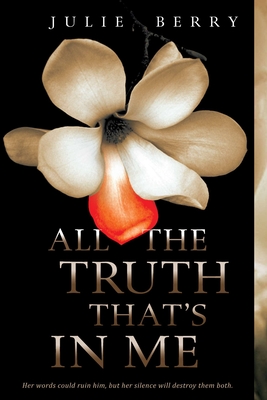
All theTruth That’s in Me came out in paperback this year, sporting a fetching new
cover. It’s had a great year,
shortlisting for the UK’s Carnegie Medal (and winning the Shadower’s Favorite
honor, which is sort of a reader’s choice award for the thousands of teen Carnegie
participants, or “shadowers”), and winning Australia’s Silver Inky prize for
the top YA novel written by a non-Australian. Very exciting.
3.
This year I researched and wrote a new novel, a
YA to be published by Viking, and currently set for a fall 2015 release. It’s
set in 13th Century Southern France, and I got to take a marvelous
research trip to Toulouse with my sister Joanna this past spring.
| With the gargoyles (Obviously!) at La Musee des Augustins, Toulouse |
| Carcassonne just before twilight |
| Julie with coquelicot poppies |
4.
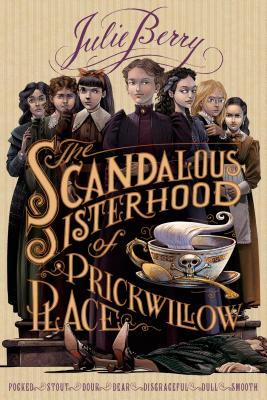
This fall I launched a new title, The Scandalous Sisterhood of PrickwillowPlace, published by Roaring Brook Press, an imprint of Macmillan. This
farcical Victorian murder mystery will be published in the UK by Piccadilly
Press, as well as in Germany, Brazil, and Japan. I’ll do another post about it
soon, and about all the traveling I’ve been doing to promote it, but for now,
here’s a glimpse at the animated book trailer:
My blogging may have lagged, but life’s gone on at a
breakneck pace. I have so much to be thankful for – above all, my family, safe,
healthy, and happy on average. : I look forward to wrapping up revisions,
turning them in, being lazy through the holidays, and developing new projects
in 2015. Happy fall to you!
Monday, May 5, 2014
Create Bravely: Thoughts on the 2014 NESCBWI Conference
Last weekend was the New England Society of Children's Book Writers and Illustrators (SCBWI) conference in Springfield, MA. I attended on Friday and Saturday, and gave a presentation Saturday afternoon with my editor from Viking Children's Books, Kendra Levin.
I attended my first such conference in 2006 in Nashua, NH. Since then the conference has outgrown one venue after another. I remember that first conference vividly. I had signed up for a critique for the first ten pages of the very first novel I ever wrote, which I called The Wassergeist. It means "the water ghost" or "water spirit," or so my German friend assured me. He may have been pulling my leg. The editor who critiqued the manuscript didn't whip out her checkbook on the spot, but she had encouraging things to say (as well as critical things), and said she'd be interested in seeing it again. I left flying high.
At that same conference, I listened to a joint presentation by an author, Kimberly Newton Fusco, and her editor from Knopf. They described the process of working together on Kimberly's debut, Tending to Grace. If I remember correctly, they had met at a NESCBWI conference via a manuscript critique. I was completely starstruck in such proximity to an actual author and her actual editor. I promised myself that someday I'd be where they were.
But attending these large conferences as a first-timer is daunting, and I imagine it's all the more so today. The sheer size of the group was overwhelming. If so many hundreds of writers were committed enough to shell the money and attend such a conference, how could I hope to make an impression in the industry? They were shiny, their hair was neat, they smelled pretty. Surely their lives and their prose were correspondingly superior. Were they my competitors? I didn't know a soul, but they all seemed to know each other, and to know so much more than I did.
Linda Sue Park was the keynote speaker that year. She said many wise and wonderful things, but the one that has stuck with me to this day was, "Just try it." When readers and critiquers suggest a revision strategy, don't resist it, just try it. You never know. If you don't like it, flush it, but try it. It takes no more energy to try it than it does to resist it.
I did one smart thing that first year, which was putting my name on the list of volunteers to help out the following year. It seemed like a good way to get to know people and learn more about the organization. For the next several years I was an active member of the conference planning committee.

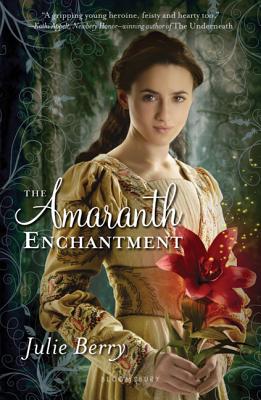
At the next year's conference I returned with a few things. 1. A submission to the First Pages Panel. 2. A new novel in the works. 3. A warm rejection letter in hand from the editor I'd heard speak the year before. 4. A volunteer's badge, and now, many familiar faces. This time, my critique was unremarkable. The editor wrinkled her nose and said she didn't "do" fantasy. But an agent on the First Pages Panel said very nice things about my first page, so I ambushed her in the hallway. That was my agent, Alyssa Eisner Henkin of Trident Media Group, and that first page was the start of All the Truth That's in Me. The novel I critiqued was the opening to The Amaranth Enchantment.
This weekend, when I arrived at the Springfield Sheraton, there was none of that first-time bewilderment or loneliness. An onlooker might have suspected a family reunion, albeit a huge one, for a family that wears name badges and euthanizes most of its males. Hang around this writerly community long enough, and true friendships form. Over the years, many NESCBWI members have gone from cheery acquaintances, to writerly colleagues, to critiquing and writing retreat partners, to close friends, whose lives and homes and families I know, and they know mine. Others testified this would happen at that 2006 conference, but I didn't fully believe it.
The workshop Kendra and I presented Saturday was titled, "Write What You Don't Know: A Workshop on Fleeing Your Comfort Zone." We had 140 people in the room, and it was marvelous. You might say it was another slant on Linda Sue's "Just try it" advice. Once again I was amazed by the size of the group, the energy, the willingness to learn, and the commitment level. With each writing prompt and exercise we assigned, the group fell into a reverent hush. The only sounds were scratching pens and typing fingers. The creative energy in the room so thick you could smell it. I felt embarrassingly, goopily, maternally proud of everyone there, and wanted to echo Jo Knowles's sentiments from her lunchtime remarks, accepting the Crystal Kite Award: "Don't give up. I believe in you."
Though I stand in a different place now, I'm still in awe of SCBWI, and specifically the New England chapter, for how it fosters creative drive, industry professionalism, and a profound sense of belonging to something both personally fulfilling, and much larger than any one of us alone: the crazy tribe of devoted souls supplying our generation's children with stories.
Colossal kudos and thanks to this year's organizers, and to those brave enough to pick up the torch for future years. I wouldn't be where I am today without SCBWI, and I expect to remain part of it for life.
*** Postscript:
I promised I would post the three titles we used as resources in our slides. They are:
Fiction Writer's Workshop, by Josip Novakovich, 2008, Writers' Digest Books, Cincinnati.
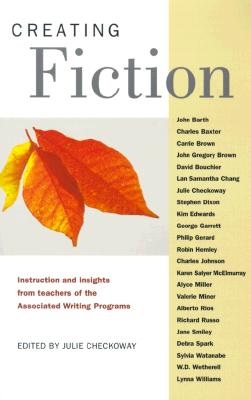
Creating Fiction, edited by Julie Checkoway, 1999, Story Press, Cincinnati
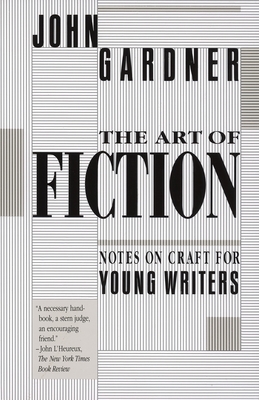
The Art of Fiction, by John Gardner, 1983, Vintage Books, New York
I attended my first such conference in 2006 in Nashua, NH. Since then the conference has outgrown one venue after another. I remember that first conference vividly. I had signed up for a critique for the first ten pages of the very first novel I ever wrote, which I called The Wassergeist. It means "the water ghost" or "water spirit," or so my German friend assured me. He may have been pulling my leg. The editor who critiqued the manuscript didn't whip out her checkbook on the spot, but she had encouraging things to say (as well as critical things), and said she'd be interested in seeing it again. I left flying high.
At that same conference, I listened to a joint presentation by an author, Kimberly Newton Fusco, and her editor from Knopf. They described the process of working together on Kimberly's debut, Tending to Grace. If I remember correctly, they had met at a NESCBWI conference via a manuscript critique. I was completely starstruck in such proximity to an actual author and her actual editor. I promised myself that someday I'd be where they were.But attending these large conferences as a first-timer is daunting, and I imagine it's all the more so today. The sheer size of the group was overwhelming. If so many hundreds of writers were committed enough to shell the money and attend such a conference, how could I hope to make an impression in the industry? They were shiny, their hair was neat, they smelled pretty. Surely their lives and their prose were correspondingly superior. Were they my competitors? I didn't know a soul, but they all seemed to know each other, and to know so much more than I did.
Linda Sue Park was the keynote speaker that year. She said many wise and wonderful things, but the one that has stuck with me to this day was, "Just try it." When readers and critiquers suggest a revision strategy, don't resist it, just try it. You never know. If you don't like it, flush it, but try it. It takes no more energy to try it than it does to resist it.
I did one smart thing that first year, which was putting my name on the list of volunteers to help out the following year. It seemed like a good way to get to know people and learn more about the organization. For the next several years I was an active member of the conference planning committee.
At the next year's conference I returned with a few things. 1. A submission to the First Pages Panel. 2. A new novel in the works. 3. A warm rejection letter in hand from the editor I'd heard speak the year before. 4. A volunteer's badge, and now, many familiar faces. This time, my critique was unremarkable. The editor wrinkled her nose and said she didn't "do" fantasy. But an agent on the First Pages Panel said very nice things about my first page, so I ambushed her in the hallway. That was my agent, Alyssa Eisner Henkin of Trident Media Group, and that first page was the start of All the Truth That's in Me. The novel I critiqued was the opening to The Amaranth Enchantment. This weekend, when I arrived at the Springfield Sheraton, there was none of that first-time bewilderment or loneliness. An onlooker might have suspected a family reunion, albeit a huge one, for a family that wears name badges and euthanizes most of its males. Hang around this writerly community long enough, and true friendships form. Over the years, many NESCBWI members have gone from cheery acquaintances, to writerly colleagues, to critiquing and writing retreat partners, to close friends, whose lives and homes and families I know, and they know mine. Others testified this would happen at that 2006 conference, but I didn't fully believe it.
The workshop Kendra and I presented Saturday was titled, "Write What You Don't Know: A Workshop on Fleeing Your Comfort Zone." We had 140 people in the room, and it was marvelous. You might say it was another slant on Linda Sue's "Just try it" advice. Once again I was amazed by the size of the group, the energy, the willingness to learn, and the commitment level. With each writing prompt and exercise we assigned, the group fell into a reverent hush. The only sounds were scratching pens and typing fingers. The creative energy in the room so thick you could smell it. I felt embarrassingly, goopily, maternally proud of everyone there, and wanted to echo Jo Knowles's sentiments from her lunchtime remarks, accepting the Crystal Kite Award: "Don't give up. I believe in you."
Though I stand in a different place now, I'm still in awe of SCBWI, and specifically the New England chapter, for how it fosters creative drive, industry professionalism, and a profound sense of belonging to something both personally fulfilling, and much larger than any one of us alone: the crazy tribe of devoted souls supplying our generation's children with stories.
Colossal kudos and thanks to this year's organizers, and to those brave enough to pick up the torch for future years. I wouldn't be where I am today without SCBWI, and I expect to remain part of it for life.
*** Postscript:
I promised I would post the three titles we used as resources in our slides. They are:
Fiction Writer's Workshop, by Josip Novakovich, 2008, Writers' Digest Books, Cincinnati.
Creating Fiction, edited by Julie Checkoway, 1999, Story Press, Cincinnati
Monday, December 23, 2013
Books I’m gifting to kids on my list this year
These books were gifts for nieces and nephews, ranging from
3-12, and I’ve already given them, so there’s no harm now in me sharing my
choices here. Last-minute shoppers, if you’re hitting your bookstore and
looking for ideas for great reads, you might want to look for these. (And what,
I ask, is the purpose of school vacation, if not to read read read?)
Use the links under each title to see if your nearby indie has them in stock. If not, you can order them.
Picture books
Monstergarten by Daniel Mahoney, illustrated by Jef Kaminsky. Adorably funny and monstery.
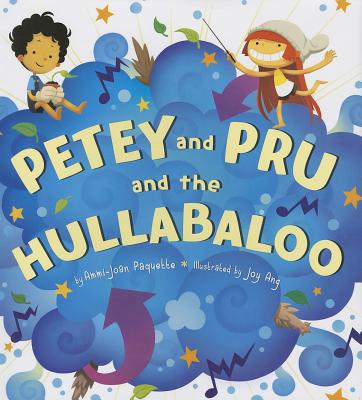
Petey and Pru and the Hullabaloo by A. J. Paquette,
illustrated by Joy Ang. My kids (who are much older than the neices & nephews I gave this to) adored this book and read it over and over before wrapping it. A delightful, playful use of big, juicy words, and a great choice for a brother with a sister or a sister with a brother.
Mr. Tiger Goes Wild by Peter Brown. How can I not gift a book about stripping one's clothes and roaring a bit?
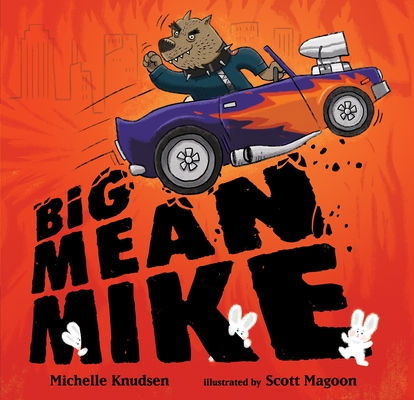
Big Mean Mike by Michelle Knudsen, illustrated by Scott Magoon. Really, really funny, and surprisingly fluffy, in the best of ways. Loved this.
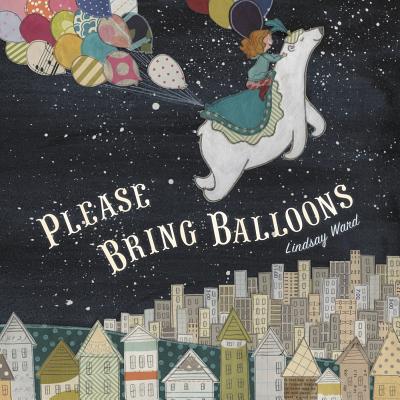
Please Bring Balloons by Lindsay Ward. I was delighted to find this beautiful, nostalgic, magical story, with such exquisite illustration. I'll be gifting this again.
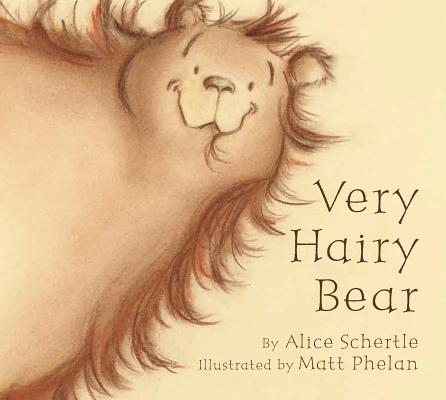
Very Hairy Bear by Alice Schertle, illustrated by Matt Phelan. Confession: I bought this book because I love Matt Phelan, but Alice Schertle's text is delightful. A winning combination.
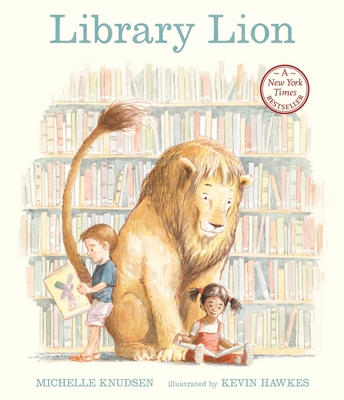
Library Lion, also by Michelle Knudsen, illustrated by Kevin Hawkes. Every child on my list gets a copy of this classic, and because I often forget when I've given this book or not, they often end up with two.
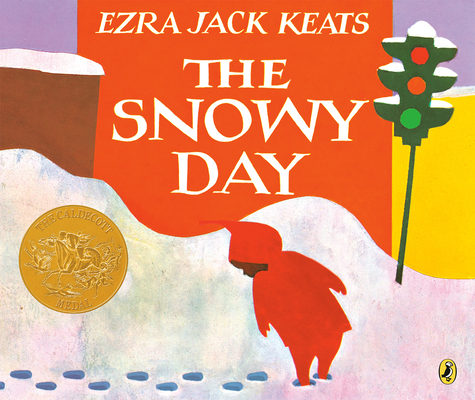
The Snowy Day by Ezra Jack Keats. I always like to gift Keats, and if they're too young for John, we start them on Ezra Jack. Another classic every library needs.
Novels
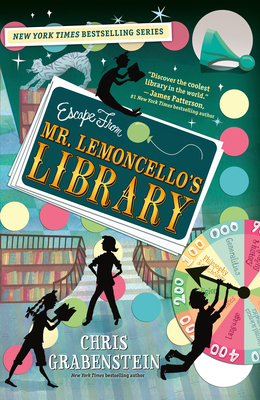
Escape from Mr. Lemoncello’s Library by Chris Grabenstein. I fear I'm going to have to buy myself another because I didn't have time to read this.
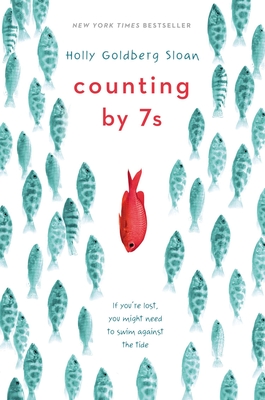
Counting by 7s by Holly Goldberg Sloan. For more on how I love this book, visit this other blog post. This title was named Amazon's #1 Middle Grade title for 2013, and you should keep an eye on it come Newbery announcement time.
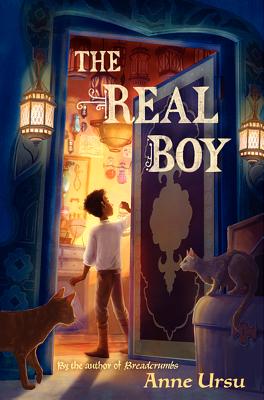
The Real Boy by Anne Ursu. I'm hearing such good things about this title; may have to buy myself another one of these as well.
The Nine Lives of Alexander Baddenfield by John Bemelmans Marciano, illustrated by Sophie Blackall. I own a copy that I haven't read yet, but the dark humor looks delicious. A perfect nephew book.
If you gift them, read them first! Enjoy.
Monday, December 16, 2013
Seven Superfluous Reasons to wrap All the Truth That’s in Me up with ribbon for someone you love
1. It’s shiny.
2. The cover has Christmas colors.
3. Mistletoe is romantic. So is the book.
4. Sprinkle it with seeds and water, and it becomes a ChiaBook.
5. Before you wrap it, you can read it. She’ll
never know unless you spill nacho crumbs.
6. It helps digest Christmas dinner. Flop on the couch with book and Tums.
7. “Crumbs” rhymes with “Tums.”
If you tweet a photo of your new book (at the store! coming out of the package!) and tell where you got
it, I will mail you a signed bookplate, possibly smeared with salsa con queso.
¡Feliz Navidad! And happy shopping. Don’t forget to love
your indie store.
Friday, November 22, 2013
Blog hop: Sarah Albee > Julie Berry > Carol Lynch Williams, Sara B. Larson, & Cal Armistead
Sarah Albee is the author of
dozens of books for children, across ages, genres, and even names – she writes
under several pseudonyms. (Learn why here.) She writes fiction and nonfiction,
and she even gets to write about celebrities (told you she knows everyone) like
Elmo, Dora the Explorer, Diego, and SpongeBob. Her nonfiction works, including
Poop Happened: A History of the World from the Bottom Up (Walker Books, 2010)
and her forthcoming Bugged: How Insects Changed History (Walker Books, April
2014), ingeniously blend insightful social history into deliciously disgusting
subject matter. Don’t let the comics fool you; Sarah is a rigorous and incisive
historian. Check her blog for thrice-weekly doses of the same magic.
Thanks, Sarah, for inviting me!
The rules of this blog hop are
that I now need to answer Sarah’s four questions, then pass the baton onto
three more writers I love, whom you should get to know. Here goes.
Sarah: What are you working on right now?
I’m working on a new YA for
Viking, set in medieval France. It’s got passionate romance, arranged marriage,
burning heretics, vengeful clerics, a mystic, a matchmaker, a fortune teller,
and a cat. There should always be a pet. I’m also finishing copyedits for my
upcoming middle grade called TheScandalous Sisterhood of Prickwillow Place (fall 2014, Roaring Brook).
Sarah: How does your WIP differ from other
works in the genre?
The particular chapter in
history on which my YA (currently nicknamed Mystique) is based is one that hasn’t
been written about much in young adult literature, or, for that matter, adult
literature. I’m excited about that aspect of it. But also, I believe the format
and voice I’m attempting to use will be, yuk yuk, rather novel.
Sarah: Why do you write what you do?
Mainly
because I love to. I feel fortunate in my work in that respect. I get to write
the sorts of books I’d like to read. I especially love the research involved. I
think I would have enjoyed an academic career. Writing allows me to delve into,
learn about, and research any topic that interests me, put my findings to
creative use, and then, when I’m done, move on to another interest, possibly
one entirely different.
Sarah: What is the hardest part about writing?
Finding
time to do it can be really hard. I have four sons, a house to neglect, and an
otherwise busy life. I also spend a great deal of time visiting schools,
traveling, and speaking at conferences and writing events. Those things can become
consuming. Creative inspiration is a fickle thing, too. While I’m a firm
believer in writing regularly and not waiting for one’s muse to show up, I do
admit that the spark that brings writing to life can be elusive. The challenge
is to press on anyway.
Enough
about me. It’s time to meet three fantastic authors I adore!
Carol Lynch Williams and I
met at Vermont College of the Fine Arts in the same incoming class group, and
we bonded instantly. She’s raw, real, and hilarious, combining the kindest
heart with an uncensored wit. She calls it like she sees it, which I love. She’s
prolific, and more importantly, she’s good.
Good good. A masterful storyteller with a pitch-perfect ear for honesty
in voice.
Carol Lynch Williams is the mother of five daughters and the
wicked step-mother to more than 30 books for middle grade and young adult
readers. She has an MFA in Writing for Children and Adolescents from Vermont
College, teaches creative writing at Brigham Young University and runs Writing
and Illustrating for Young Readers (www.wifyr.com),
in its 14th year. Her novels include THE CHOSEN ONE, MILES FROM ORDINARY,
GLIMPSE and WAITING with four titles forthcoming in 2014: THE HAVEN, SIGNED
SKYE HARPER and two titles in the Just in Time series written with coauthor
Cheri Pray Earl. You can read about Carol and her newest book sale on her blog www.throwingupwords.wordpress.com. You can also find her on Twitter.
After my first novel, The Amaranth Enchantment, released, I met a pair of bloggers from
Utah who wrote to me enthusiastically about it. I traveled to Salt Lake City to
do a signing, and Stacey Ratliff and Sara Larson joined me there. We’ve stayed in touch ever
since – in fact we now have a traditional dinner date every time I come into
town. It’s thrilling to see Sara Larson now on the brink of releasing her first
novel with Scholastic, DEFY.
Sara B. Larson can’t remember a time when she didn’t write books, although she
now uses a computer instead of a Little Mermaid notebook. Sara lives in Utah
with her husband and their three children. She writes during naptime and the
quiet hours when most people are sleeping. Her husband claims she should have a
degree in “the art of multitasking.” On occasion you will find her hiding in a
bubble bath with a book and some Swedish Fish.
[Back to Julie] One of
my favorite local bookstores is Willow Books in Acton, MA. They take such good
care of me there and always have plenty of my signed books in stock. I remember
meeting Cal Armistead years ago
there, and her telling me she was shopping for an agent. Then she had one. Then
she’d sold Being Henry David. Then it was in stores, and earning glowing reviews. It couldn’t
happen to a nicer person. Here’s Cal:
Cal Armistead has been a writer
since age 9, when she submitted her first book, The Poor Macaroni Named
Joany to a publisher. Sadly, this literary gem did not make it to print.
But Cal continued pursuing her lifelong passion, and wrote copiously for radio,
newspapers and magazines (Cal has been published in The Chicago Tribune, Shape
Magazine, Body & Soul Magazine, Christian Science Monitor, Chicken
Soup for Every Mom’s Soul and others). Although it took years for Cal to try
her hand again at fiction writing, her first young adult novel (Being Henry
David) was published by Albert Whitman & Co. on March 1, 2013. Cal holds an
MFA in creative writing from the Stonecoast program at the University of
Southern Maine, works at an independent book store, is a voice-over actress,
sings semi-professionally, and lives in a Boston suburb with her amazing
husband and a dog named Layla.
Check
out these brilliant authors and their brilliant books. Thanks again, Sarah!
Monday, November 4, 2013
Book Blogging & Creative Writing in an Author Community: the Author in Residence Program at Chenery Middle School
Since 2010,
I’ve visited Chenery Middle School in Belmont, MA every year to give author
presentations and creative writing workshops to the fifth grade. Belmont rolls out the red carpet for authors! I love the enthusiasm
I find there in the teachers, in the administration, in the library, and in the
kids.
Over the summer of 2012, Chenery library
media specialist Karen Duff proposed we try something different. We met at Starbucks
and she outlined for me her vision of a yearlong program that would harness the
kids’ enthusiasm for creative writing and sustain it beyond an annual author
visit. Together we brainstormed and developed an ambitious author-in-residence
initiative to engage and instruct 300 fifth grade students in:
·
Avid, thoughtful, enthusiastic reading
·
Relentless creative writing
·
Revising and preparing their work for
publication
·
Peer critiquing skills as part of participation
in an author community
·
Digital publishing tools
·
Safe and appropriate social media engagement
We might have been a little crazy.
But we believed it was possible. Karen and I wanted the kids to live like
authors live for a year – reading the way authors do, writing freely and
regularly, revising bravely, critiquing kindly, publishing professionally, and
responding thoughtfully. I thought of it as a 5th-grade MFA.
The program that emerged from our
planning was made possible with support from the fifth grade teachers at
Chenery, the PTO, the Foundation for Belmont Education, and the wonderful
students and families themselves, who responded enthusiastically to the program.
Our
author-in-residence initiative kicked off in November with a two-day author
visit. I gave a creative writing assembly presentation “Adventures with
Stories” that walked through the storytelling process and reviewed the
essential elements of fiction. Afterwards, I met with each class for hands-on
creative writing workshops entitled “Let’s Make a Story” where they used what
they’d learned to develop their own ideas, characters, and plots, step-by-step. Here's a playlist of short clips from the workshop.
Karen unveiled the new feature for
this year’s initiative: blogging between the classes and me about books and
creative writing. Over the year I read titles along with the class and composed
blog posts about them with accompanying writing prompts, and the students
blogged back responses to the book and the prompts. I tried to reply to as many
blog posts as I could with individual feedback, but the response to the blogs
was overwhelming. I also posted to a
general creative writing blog with periodic musings on the creative process,
and more writing prompts. Teachers assigned blog responses as homework for the
kids, so they learned how to log into the blog from any location and enter
their responses. The classics we discussed together were (links will take you to the blog posts about each title): Maniac Magee by Jerry Spinelli, Fromthe Mixed-up Files of Mrs. Basil E. Frankweiler by E. L. Konigsberg, Esio Trot by Roald Dahl, Holes by Louis Sachar, Love that Dog by Sharon Creech, and a
collection of folk tales. (Visit the blog at chenerybookblog.blogspot.com. Word to the wise: "CFG" is shorthand for "Chenery Fifth Graders." Do visit the blog links -- these kids' posts will amaze and amuse.)
The blog was kept anonymous and
moderated by Karen Duff, who coached students on how to compose respectful,
relevant blog comments on the titles and prompts. Students and teachers drew
from the blogs to develop new creative stories and to enrich their reading
experience as they examined titles from an author’s point of view. In a
year-end survey we conducted about the program, more than half of the students called
the blogs a high point of the entire program. They loved interacting with an
author online.
![]() |
| Author Erin Moulton & a fan, Winter Book Festival. |
As the winter progressed, students
worked on creative pieces derived from our first workshop and the writing
prompts. Most students wrote at least four or five pieces, while a few
enthusiasts reported writing 20 or more!
| Revision workshop in February |
| Author Tea: Karen & I present awards as parents watch. |
![]() |
| Silliness hoping to inspire a student writers' club. |
We hoped they would start to see the vital role author communities play in developing a writer's craft. Few writers work in utter isolation. Critiquing others' work, and having one's own work critiqued, cultivates vital editing skills that help all writers move from ebullient creativity to polished work worth sharing. Plus, it's fun. I urge students everywhere to form writing clubs. It's wonderful to see them popping up in middle and high schools everywhere, led by inspired teachers and librarians.
By integrating reading, creative
writing, and online media, Chenery’s author-in-residence program created a
unique overlap between a classical grounding in literature and storytelling and
a primer of modern communication skills. The excitement of doing something groundbreaking showed everywhere throughout the year. I was honored to be part of it.
We hope to
take what we learned in this ambitious pilot year and fine-tune it for future
years. I would love to see more schools develop similar programs, and Karen and
I would be happy to talk with any schools considering it about what we learned
along the way.
Subscribe to:
Posts (Atom)


.jpg)